


The Soul of St John’s: The Antigua Recreation Ground
Of all the cricket grounds scattered across the world, measured patch for patch, inch for inch, few can rival the Antigua Recreation Ground as a living piece of Test cricket’s folklore.
Time may have shifted the spotlight to newer arenas, even one bearing the name of its greatest son, Sir Vivian Richards, but the Antigua Recreation Ground has never relinquished its tremendous stories, spirit and soul.
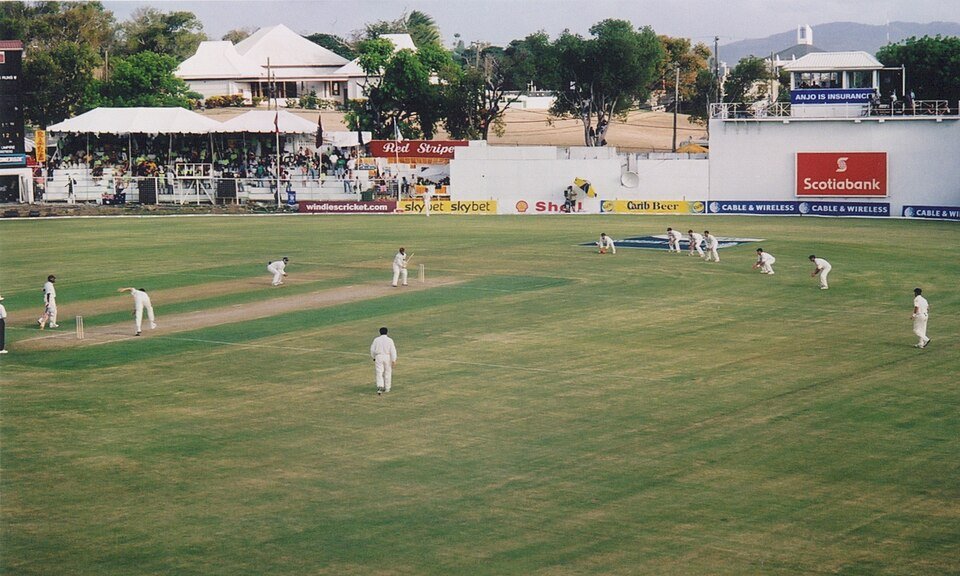
Antigua Recreation Ground (2003)
It still stands in St John’s, weathered but undefeated, carrying valuable tales, now enhanced by the return of first-class cricket to its turf this past month during the 2026 West Indies Championship.
The Antigua Recreation Ground first hosted international cricket in February 1978 – a One Day International in which the reigning world champions West Indies defeated Australia by 44 runs. The ground’s first Test match arrived in 1981 and in so doing, it became cricket's 52nd Test venue.
From the outset, the ground announced itself as a venue of some notoriety as the island's most famous son struck a blistering century, 114 with 22 boundaries, and made it appear as if the ground had been brought into existence specifically to showcase his immense ability.
Indeed, in the years that followed, the ARG would set the stage for some of the most astonishing performances the game has ever seen.
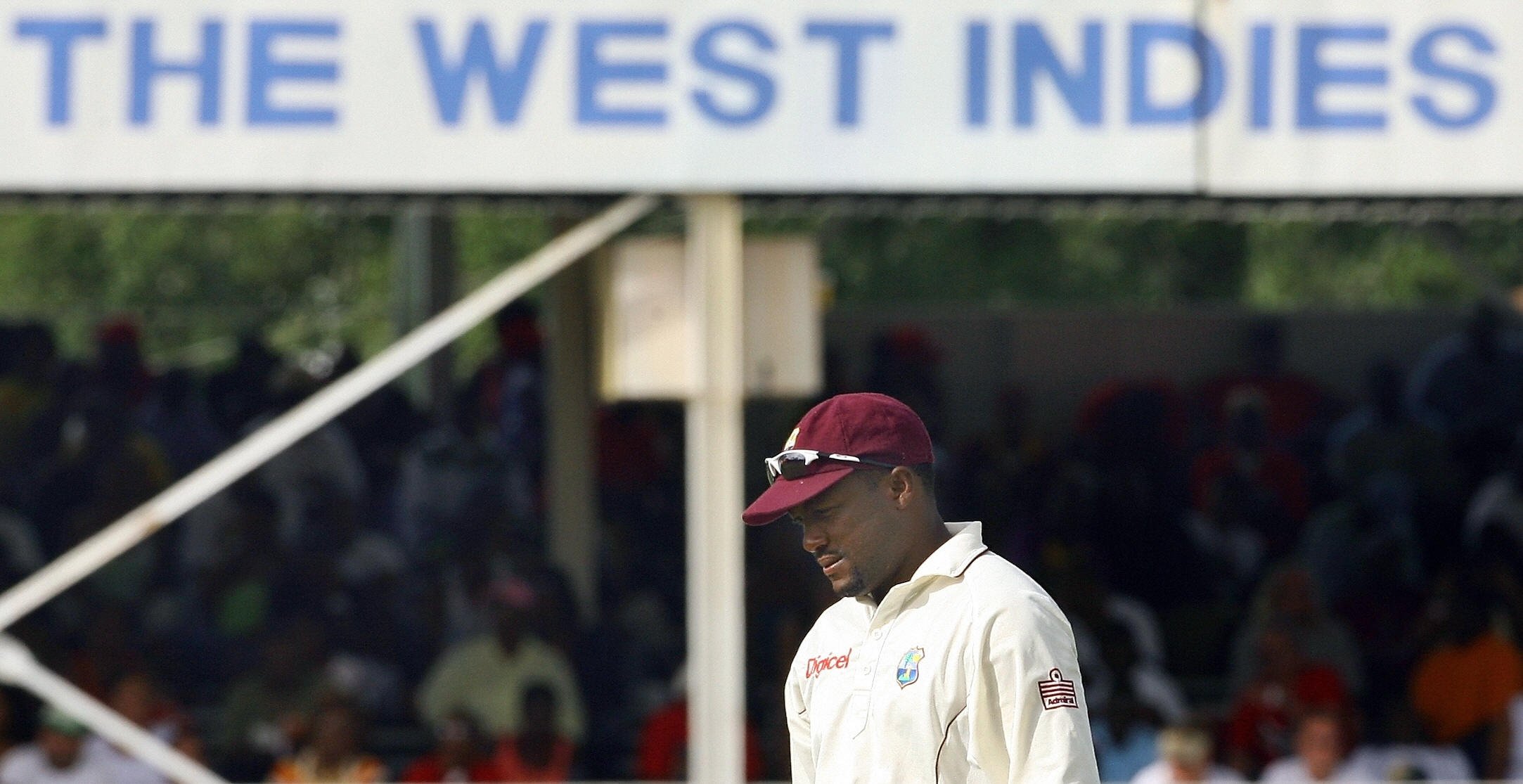
In April 1986, Richards strolled to the ARG crease against England knowing exactly where he was - at home, and exactly what he intended to do - wreak havoc. What followed was not just a batting innings, but a public declaration that this was his ground, his island, his team and his game.
That day, he reached his century in just 56 balls, the fastest Test century up to that point. In the end, he scored 110 not out off 58 deliveries and propelled West Indies to a 240-run victory and a famous 5–0 series blackwash. Sir Viv’s record was later equaled by Misbah-ul-Haq in 2014 before Brendon McCullum broke it with a 54-ball century two years later.
Seventeen years after the Master Blaster’s masterclass, the ARG delivered something equally improbable.
In 2003, chasing 418 runs to win against Australia, West Indies pulled off a stunning three-wicket win and the highest successful run chase in Test cricket history.
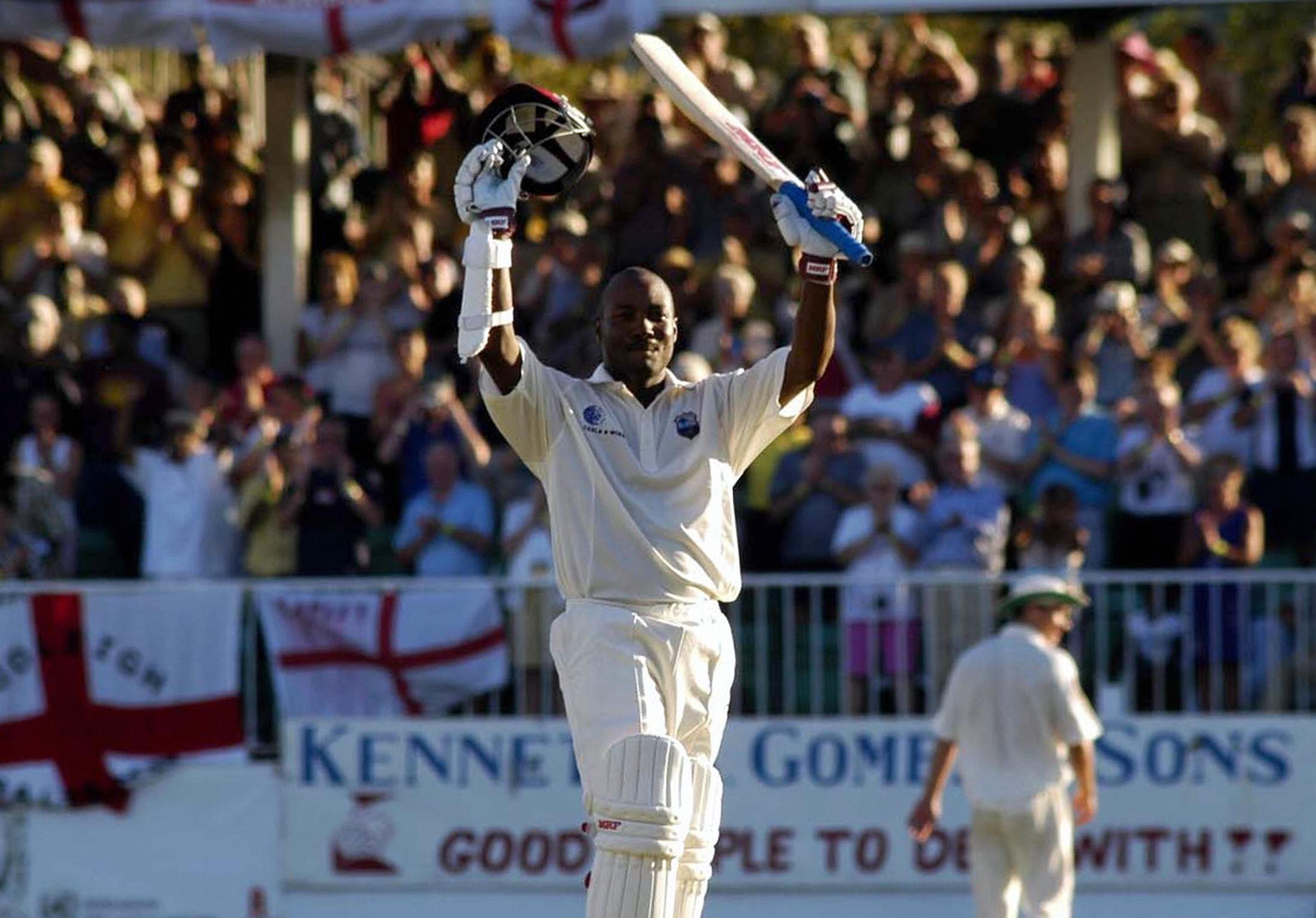
Brian Lara at ARG (2004)
The team’s captain at the time of the run chase, Brian Lara, gave the ground its two most celebrated individual records, his Test world record score of 375 in 1994 and then the same record reclaimed with 400 not out in 2004.
The reality of both records being set by the same person on the same ground against the same opposition in the same month 10 years apart, quite frankly defies logic and reason.
The ARG was about its people as much as the players and its cast of characters was unlike anything else in sport.
Popular character Gravy danced and pranced through the stands for much of the 1990s and was instrumental in giving the ARG its enviable carnival atmosphere. Upon his “retirement”, he sauntered around the field for his final lap dressed in a full wedding gown as every spectator jostled to the front of the stands to watch.
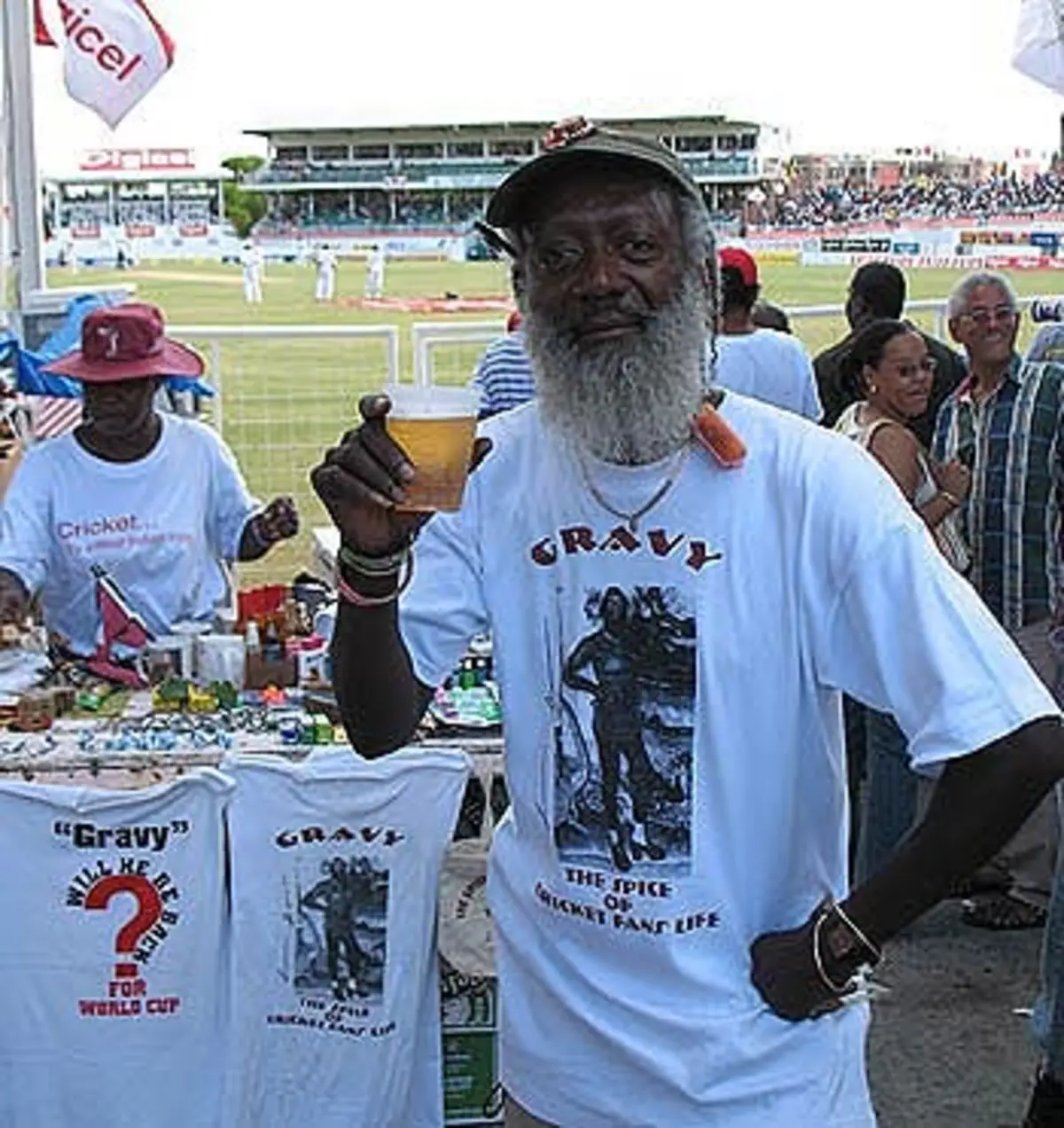
Popular character "Gravy"
Stories about DJ Chickie are also a large part of the ARG lore. During a 1997 Test against India, three days of play were lost to rain, but Chickie kept the crowd entertained throughout, thus earning him the unofficial man of the match award.
Then there is the story of Malcolm Richards, Sir Viv's father. He was, for many years, the warden of the nearby prison and it is claimed that whenever his son batted, Malcolm would stand in the prison’s watchtower, with one eye on the pitch and the other on the men in his charge.
At the heart of the ARG experience was the now-demolished Double Decker stand. Known later as the Rude Boy Stand, where delinquent schoolboys would gather to see a glimpse of the action after cutting school, it was the nucleus of everything that made the ground electric.
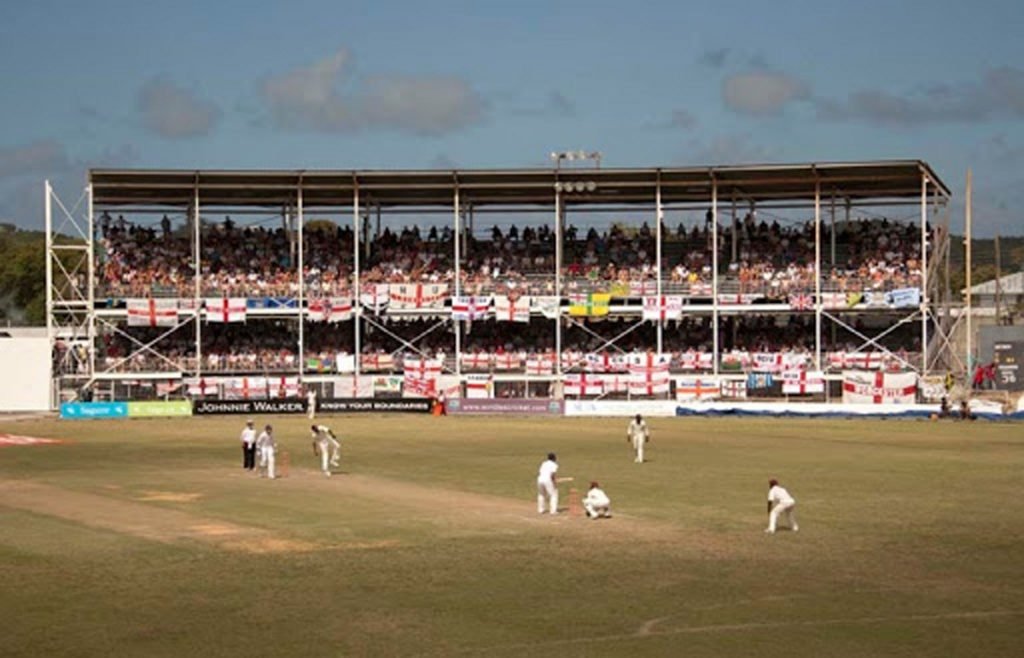
The pitch was so flat and true that it was referred to as a "featherbed" and produced multiple records because it gave batsmen the freedom to express themselves.
Of the 22 Tests hosted at the ARG, West Indies won seven and lost just three but twelve ended in draws and in one-day cricket, West Indies won six of their seven ODIs there.
Even West Indies were not immune to a drab draw as the very surface that helped Richards and Lara achieve greatness also hindered their own ability to force results.
The last scheduled Test occurred in 2006, a drawn match against India, while an abandoned match at the Sir Vivian Richard Stadium in 2009 forced an impromptu switch to the ARG for an almost predictable drawn game against England.
In 2025, after a sixteen-year absence, cricket returned to the ARG for the West Indies Rising Stars Under-15 Tournament and the following year, the return of the region’s premier first-class competition signaled a brief renaissance for the ground in the current decade.
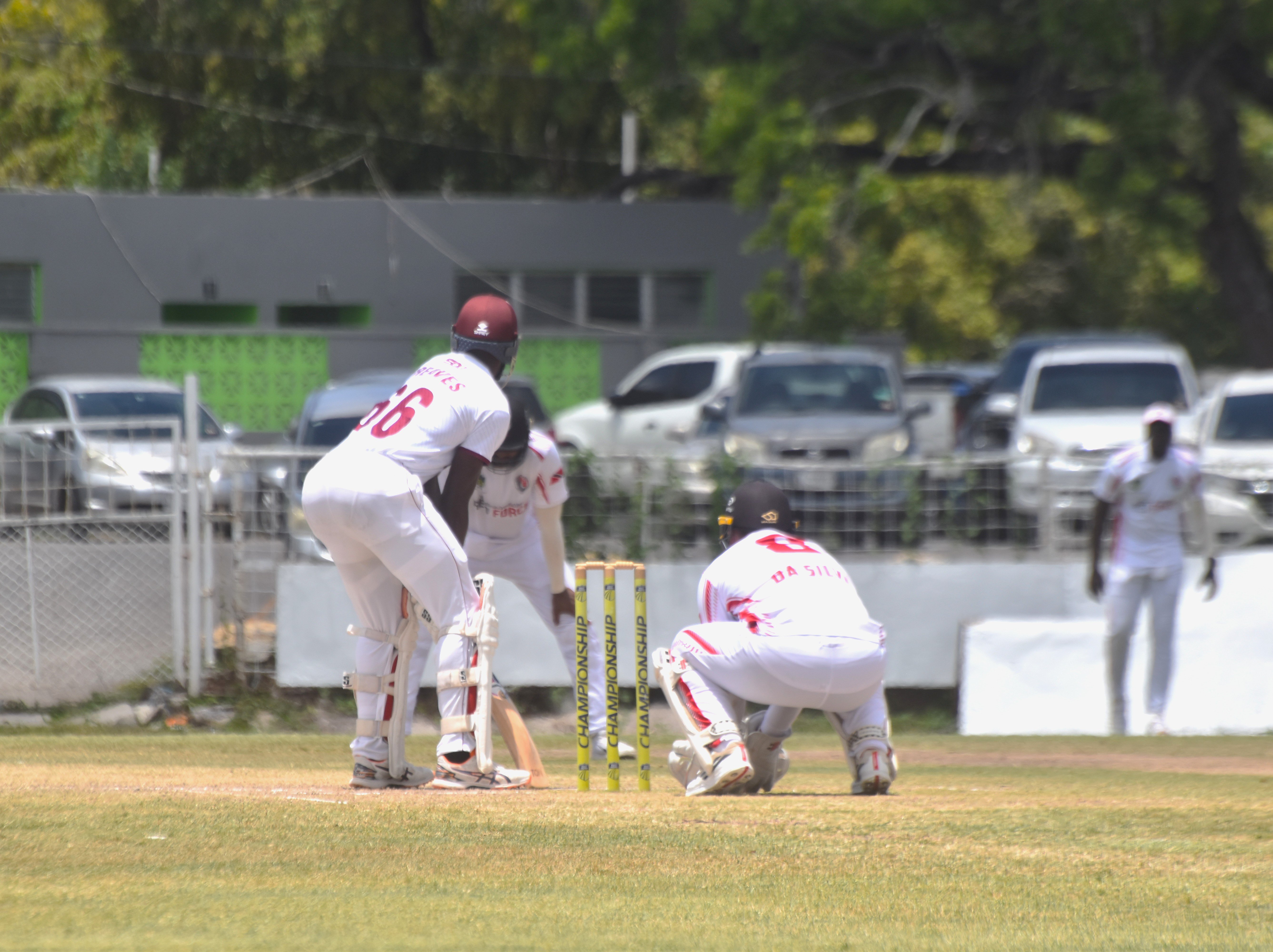
Leeward Islands Hurricanes vs Trinidad & Tobago Red Force (2026)
The Antigua Recreation Ground is neither the biggest, richest nor most modern venue on earth, but it is a colosseum where greatness keeps returning and for that, its place in the ever-growing annals of game is permanent.